

Why Does My Jewelry Turn Green: Causes & Prevention
Table of Contents
- Why Does Jewelry Turn Green: The Chemical Reaction
- Why Is My 925 Ring Turning My Finger Green
- Gold-Filled and Gold-Plated Jewelry: What You Need to Know
- Is Jewelry That Turns Skin Green Safe to Wear
- How to Keep Jewelry From Turning Green
- How to Clean Gold-Plated Jewelry and Remove Green Residue
- Choosing Jewelry That Won't Turn Green
- Frequently Asked Questions
Last Updated: October 6, 2026
Why Does Jewelry Turn Green: The Chemical Reaction
When you notice green marks on your skin after wearing a ring or bracelet, you're witnessing a chemical reaction between metal and moisture.
Copper is the primary culprit. Most affordable jewelry contains copper alloys, which means copper mixed with other metals to create a stronger, more durable piece.

The reaction isn't harmful to your skin in most cases. It's simply a natural chemical process. But understanding why it happens helps you prevent it and choose jewelry that won't stain your fingers.
Copper and Copper Alloys as the Main Culprit
Copper oxidizes when exposed to moisture and oxygen. This is the same process that turns old pennies dark green or creates the patina on copper roofs. When copper is part of a jewelry alloy, it reacts the same way.
Most fashion jewelry contains copper because it's affordable and easy to work with. Even some sterling silver jewelry contains enough copper to cause discoloration.

The green residue you see isn't rust. It's copper oxide, a harmless compound that simply looks unsightly on your skin.
How Moisture, Sweat, and Skin Oils Trigger Oxidation
Your skin is naturally acidic and salty. Sweat contains electrolytes that accelerate the oxidation process.
Skin oils also play a role. These oils trap moisture against the metal, creating prolonged contact that speeds up the chemical reaction.
Even humidity in the air can trigger the reaction over time. If you live in a humid climate or store jewelry in a damp bathroom, oxidation happens faster.
Why Is My 925 Ring Turning My Finger Green
Sterling silver is marked as "925," which means it contains 92.5% pure silver and 7.5% other metals. Those other metals are usually copper. This is why even high-quality 925 sterling silver rings can turn your finger green.
Pure silver doesn't oxidize and cause green discoloration. But the copper content in sterling silver does. The higher the copper percentage in your specific piece, the more likely you'll see green marks.
Sterling Silver Composition and Alloy Metals
Sterling silver needs other metals to be durable enough for everyday wear. Pure silver is too soft. Copper is the most common choice because it strengthens the silver and is affordable.
Some sterling silver pieces contain nickel, which is another metal that can cause discoloration.
The alloy composition varies by manufacturer. A ring from one jeweler might have more copper than a similar ring from another maker. This is why one 925 ring turns your finger green while another doesn't.
Skin Chemistry and Individual Sensitivity
Your skin's pH and natural chemistry affect how quickly jewelry oxidizes. People with more acidic skin tend to see green discoloration faster.
Some people never see green marks, while others do with the same jewelry. This isn't a sign of dirty skin or poor hygiene. It's simply a difference in skin chemistry.
Moisture on your skin accelerates the process. If you wear jewelry while showering, swimming, or exercising, you'll see discoloration sooner than someone who removes jewelry in these situations.
Gold-Filled and Gold-Plated Jewelry: What You Need to Know
Gold itself doesn't oxidize. But most affordable gold jewelry isn't solid gold. It's either gold-filled or gold-plated, which means a thin layer of gold over a base metal.
Gold-filled jewelry has a thicker gold layer than gold-plated pieces. Over time, both types wear away, exposing the base metal underneath. Once the base metal is exposed, oxidation begins.
Why Plated Jewelry Discolors Faster Than Solid Metals
Gold-plated jewelry has only a microscopic layer of gold. Daily wear, friction, sweat, and moisture wear through this layer quickly.
Gold-filled jewelry lasts longer because the gold layer is thicker, usually 5% of the total weight. But it still eventually wears through with daily wear.
Solid gold jewelry (10K, 14K, or 18K) contains enough gold throughout that oxidation from copper happens much more slowly.
AmberShop21 offers 925 Sterling Silver Fashion Ring for Women at an accessible price point.
Is Jewelry That Turns Skin Green Safe to Wear
Green marks on your skin are unsightly but not dangerous in most cases. The green residue is copper oxide, which is non-toxic. Washing your hands removes it immediately.
However, you should distinguish between staining and allergic reactions. These are two different issues with different solutions.
Staining Versus Allergic Contact Dermatitis
Staining is cosmetic. Your skin turns green or black, but there's no itching, rash, or inflammation. This is purely a chemical reaction between copper and your skin. It's harmless.
Allergic contact dermatitis is a skin reaction. You develop itching, redness, swelling, or a rash under the jewelry. This usually happens when jewelry contains nickel, which many people are allergic to.
If you only see discoloration with no itching or rash, it's staining. You can keep wearing the piece if you don't mind the marks.
When to Stop Wearing a Piece
Stop wearing jewelry if you experience:
- Itching or burning under the jewelry
- Red, inflamed, or swollen skin
- Blistering or oozing
- A rash that spreads beyond the contact area
These are signs of an allergic reaction, not simple discoloration. Your skin is reacting to the metal itself, not just oxidation.
If you only see green marks with no physical symptoms, the jewelry is safe to wear. Wash your hands regularly, and the marks will disappear.
925 Sterling Silver Fashion Ring for Women →
How to Keep Jewelry From Turning Green
Prevention is easier than dealing with green marks after they appear. Several simple strategies reduce or eliminate discoloration.
Storage and Moisture Control
Keep jewelry in a dry environment. Humidity speeds up oxidation. Store pieces in:
- Airtight plastic bags or containers
- Silica gel packets to absorb moisture
- A cool closet rather than a humid bathroom
- Sealed boxes away from air exposure
Remove jewelry before showering, swimming, or exercising. Water and sweat are the fastest triggers for green discoloration.
Protective Barriers and Sealants
A thin barrier between your skin and the metal prevents the chemical reaction. Try:
- Clear nail polish applied to the underside of rings and bracelets
- Jewelry lacquer or protective coating (available online)
- Transparent tape wrapped around the inside of a ring
- A thin layer of clear wax
These barriers wear away over time, so reapply every few weeks or after showering. The process takes minutes but saves you from constant green marks.
Wearing Habits That Reduce Oxidation
Remove jewelry during activities that produce sweat. Take off rings while exercising, cooking, or doing dishes. This simple habit dramatically reduces discoloration.
Dry your skin before putting on jewelry. If your hands are damp from washing, wait a few minutes. Moisture on your skin accelerates the reaction.
Wear jewelry less frequently if discoloration bothers you. Pieces you wear occasionally will oxidize more slowly than everyday pieces.
How to Clean Gold-Plated Jewelry and Remove Green Residue
Once green marks appear, cleaning is straightforward. You can remove the residue from both your skin and the jewelry itself.
Safe Cleaning Methods for Different Metals
For gold-plated or gold-filled jewelry:
- Use a soft cloth to gently wipe the surface
- For stubborn discoloration, soak in warm water with a drop of dish soap for 5-10 minutes
- Avoid harsh scrubbing, which wears away the gold layer faster
- Dry thoroughly before storing
For sterling silver:
- Use a silver polishing cloth designed for tarnish removal
- Soak in warm water with baking soda (1 tablespoon per cup) for 15 minutes if heavily tarnished
- Rinse thoroughly and dry completely
- Avoid abrasive scrubbing pads, which scratch the surface
For other metals:
- Warm soapy water works for most pieces
- Use a soft toothbrush for intricate designs
- Never use harsh chemicals or bleach
Removing Green Marks From Skin
Wash your hands with soap and water. The green marks come off immediately. If marks persist, rub gently with a damp cloth or use a mild exfoliating scrub.
Rubbing alcohol or a small amount of lemon juice also removes stubborn marks, though these can dry out your skin. Wash thoroughly afterward.
The marks return if you keep wearing the same jewelry without addressing the underlying cause. Use the prevention methods above to stop discoloration from happening again.
Choosing Jewelry That Won't Turn Green
If you want jewelry that rarely or never turns your finger green, material choice matters most.
Metal Composition Matters: What to Look For
Best choices (minimal green discoloration):
- Solid gold (10K or higher), expensive but lasts a lifetime
- Stainless steel, affordable and durable, rarely oxidizes
- Titanium, hypoallergenic and extremely resistant to discoloration
- Platinum, expensive but chemically inert
Moderate choices (occasional discoloration):
- Gold-filled jewelry, lasts longer than plated, but eventually wears through
- Higher-quality sterling silver with less copper content
Worst choices (frequent discoloration):
- Gold-plated jewelry, thin coating wears away quickly
- Brass or bronze, high copper content causes rapid oxidation
- Low-quality alloys with unknown composition
Check the product description or ask the seller about metal composition. Look for terms like "925 sterling silver," "stainless steel," or "solid gold" with a karat marking (10K, 14K, 18K).
Higher-Quality Pieces That Resist Discoloration
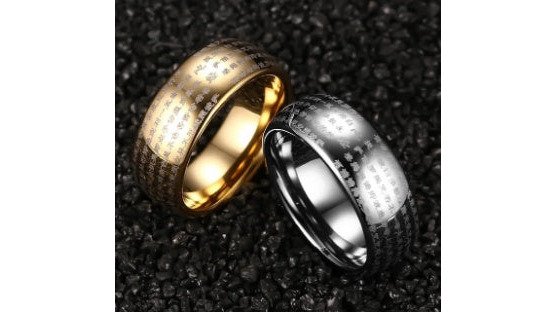
Higher-quality jewelry costs more upfront but lasts longer and requires less maintenance. At AmberShop21, we offer pieces like the Unique Men Women Dome Rings Stylish Unisex Jewelry in tungsten carbide, which is scratch-resistant and built for everyday wear without the discoloration issues of copper-based alloys.
Investing in better materials means fewer green marks, less frequent cleaning, and jewelry that maintains its appearance longer. For pieces you wear daily, higher quality pays off.
Look for jewelry that specifies its metal content clearly. Reputable sellers provide this information.
Green marks on your skin from jewelry are frustrating, but they're preventable and harmless in most cases.
American Academy of Dermatology guidance on contact dermatitis
FDA information on jewelry materials and safety
Smithsonian Magazine article on metal oxidation and jewelry
| Metal Type | Green Discoloration Risk | Best For | Maintenance |
|---|---|---|---|
| Solid Gold (10K+) | Very Low | Long-term wear | Minimal |
| Stainless Steel | Very Low | Daily wear | Minimal |
| Titanium | Very Low | Sensitive skin | Minimal |
| 925 Sterling Silver | Moderate | Occasional wear | Regular cleaning |
| Gold-Filled | Moderate | Semi-frequent wear | Regular care |
| Gold-Plated | High | Short-term wear | Frequent cleaning |
| Brass/Bronze | Very High | Occasional wear | Constant maintenance |
Frequently Asked Questions
Is it safe to wear jewelry that turns skin green?
Skin discoloration from jewelry is usually harmless staining caused by metal oxidation, not a sign of danger. However, if you experience itching, redness, or a rash, you may have contact dermatitis or a nickel allergy and should stop wearing that piece. The green mark itself washes off easily with soap and water. If symptoms persist, consult a dermatologist to rule out metal sensitivity.
Why is my 925 ring turning my finger green?
Sterling silver (925) contains 7.5% other metals, often copper, which oxidizes when exposed to moisture, sweat, and skin oils. This creates a green or black residue on your skin. The reaction happens faster in humid environments or with frequent hand washing. Pure silver (999) turns green less often, but sterling silver's copper content makes it more prone to this reaction, especially on sensitive skin.
How do I keep my jewelry from turning green?
Store jewelry in airtight containers or ziplock bags to limit air and moisture exposure. Apply a clear nail polish or jewelry sealant to the inner band of rings to create a barrier between metal and skin. Remove jewelry before showering, swimming, or exercising to reduce sweat exposure. Keep pieces dry and clean, and consider wearing jewelry less frequently in humid conditions. Higher-quality alloys with less copper also resist discoloration longer.
Does real gold turn green?
Pure gold (24K) does not turn green because it doesn't oxidize. However, gold-plated or gold-filled jewelry can cause green discoloration if the base metal underneath is copper or brass. When the plating wears through, the copper oxidizes and stains your skin. Solid gold pieces are more resistant to this problem, but they come at a higher price point than plated alternatives.


