

How to Prevent Fashion Jewelry From Tarnishing
Table of Contents
- Why Fashion Jewelry Tarnishes and What You Can Do About It
- The Best Way to Store Fashion Jewelry to Prevent Oxidation
- Avoid Moisture, Humidity, and Chemical Reactions
- Does Clear Nail Polish Stop Jewelry From Tarnishing?
- How to Clean Gold Plated Jewelry and Restore Tarnished Pieces
- Using Protective Coatings and Sealants for Long-Term Protection
- Travel-Specific Protection for Your Jewelry Collection
- Frequently Asked Questions
Last Updated: September 18, 2026
Why Fashion Jewelry Tarnishes and What You Can Do About It
Fashion jewelry tarnishes because the base metals underneath the plating react with oxygen, moisture, and chemicals in the air, which is why learning how to prevent fashion jewelry from tarnishing is essential. This process is called oxidation, and it's what creates that dull, dark coating you see on pieces over time. Understanding why this happens is the first step to preventing it.
The metals used in affordable jewelry, like copper, brass, and nickel, naturally corrode when exposed to oxygen. Add humidity, sweat, lotions, and perfumes into the mix, and tarnishing accelerates. The good news: this is entirely preventable with the right storage and care habits.
Here's what causes tarnishing:
- Oxidation from air exposure
- Moisture and humidity in your environment
- Chemical reactions with lotions, perfumes, and skincare products
- Sulfur compounds that speed up corrosion
- Sweat and body oils on the surface
Understanding how to prevent fashion jewelry from tarnishing means controlling these factors. When you store jewelry properly and keep it away from moisture and chemicals, pieces stay beautiful for years.
The Best Way to Store Fashion Jewelry to Prevent Oxidation
The most effective way to prevent fashion jewelry from tarnishing is storing it in airtight conditions away from moisture. This stops oxidation before it starts.
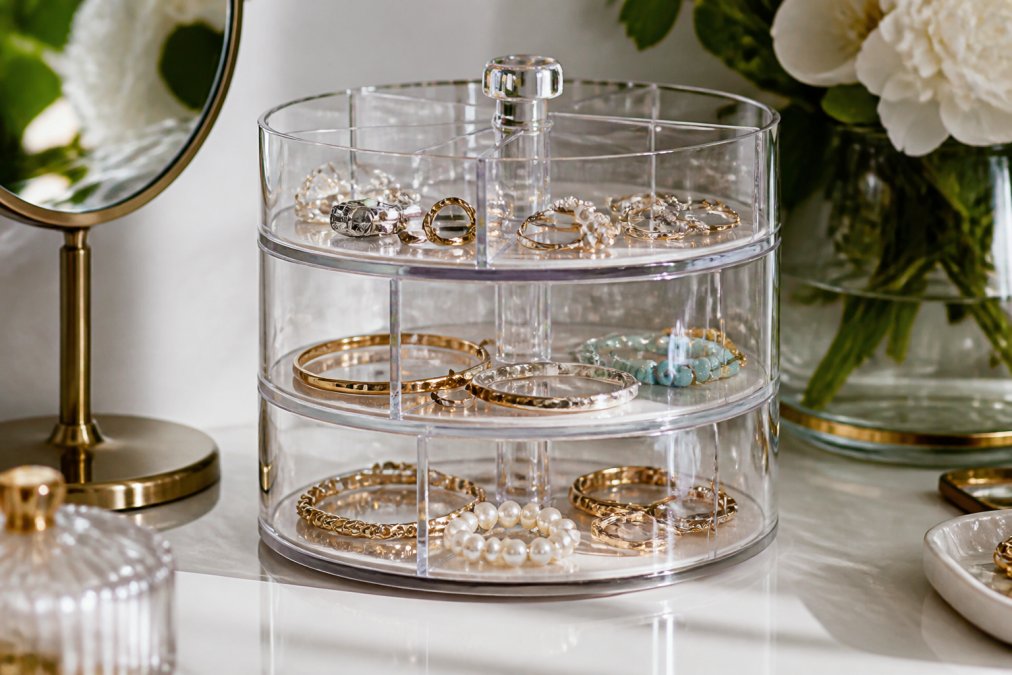
Airtight containers and zip-seal bags
Airtight storage is your best defense. Zip-seal plastic bags remove air circulation, which is essential for preventing oxidation. Place each piece or small collection in its own bag, seal it tightly, and store in a cool, dry place.
Plastic bags work, but dedicated airtight jewelry boxes offer better organization. Look for containers with rubber seals or locking mechanisms. The goal is to eliminate air exposure as much as possible.
Pro tip: Double-bag delicate pieces. Use a soft cloth first to prevent scratching, then place that inside a zip-seal bag.
Silica gel and anti-tarnish strips
Silica gel absorbs moisture that would otherwise speed up tarnishing. Place small packets inside your storage container or jewelry box. These packets pull humidity from the air, creating a drier environment where oxidation happens much slower.
Where to find them:
- Jewelry supply stores
- Online retailers
- Many craft and hobby shops
Organizing with a jewelry box or rotating organizer
Organization matters because it keeps pieces separated and protected. A dedicated jewelry box with compartments prevents pieces from touching each other, which reduces scratching and tangling.
Organization benefits:
- Easy access without rummaging through drawers
- Pieces stay separated and protected
- Reduced scratching and tangling
- Better humidity control in enclosed spaces
Avoid Moisture, Humidity, and Chemical Reactions
Moisture and humidity are tarnish accelerators. Keep jewelry away from bathrooms, kitchens, and other damp environments. Even brief exposure to steam from a shower can start the corrosion process.
Keep jewelry away from lotions, perfumes, and skincare products
This is where most people go wrong. Lotions, perfumes, and skincare products contain chemicals that react with base metals and cause rapid tarnishing. Apply these products first, let them dry completely, then put on your jewelry.
Store away from bathrooms and humid environments
Bathrooms are the worst place for jewelry storage. The steam from showers creates moisture that accelerates oxidation. Keep your collection in a bedroom closet, dresser drawer, or living room, anywhere dry and away from water sources.
Storage locations to avoid:
- Bathrooms
- Kitchens
- Basements (often damp)
- Near windows (temperature and humidity fluctuate)
- Outdoor spaces
Does Clear Nail Polish Stop Jewelry From Tarnishing?
Clear nail polish is a temporary protective coating, not a permanent solution. Painting a thin layer over jewelry creates a barrier between the metal and air, which slows oxidation for a few weeks. However, this method has significant drawbacks that make it inferior to purpose-built sealants.
Why nail polish fails as a long-term protective coating
Nail polish is formulated to adhere to keratin (the protein in nails), not to metal surfaces. When applied to jewelry, it bonds weakly to the base metal or plating. Within 2-4 weeks of regular wear, the polish chips and peels at edges and stress points. Once the coating cracks, moisture becomes trapped underneath the remaining polish, accelerating tarnishing rather than preventing it.
How professional sealants differ from nail polish
Professional protective coatings are engineered specifically for jewelry metals. Clear lacquers and UV-cured resin coatings used by jewelers bond chemically to metal surfaces and last 3-6 months with regular wear. Unlike nail polish, these sealants:
- Maintain transparency and shine, They don't create a hazy or dull appearance
- Bond securely to metal, They don't chip or peel at edges
- Resist moisture penetration, Even if the coating wears, it doesn't trap moisture underneath
- Are metal-compatible, Formulated to work with copper, brass, nickel, and plated surfaces without accelerating oxidation
When nail polish is acceptable (and when it isn't)
Nail polish works as a temporary emergency fix for a single event, a wedding, party, or short trip, if you have no other option. For a piece you'll wear for one evening and then store, the brief protection may be sufficient.
How to Clean Gold Plated Jewelry and Restore Tarnished Pieces
If your jewelry has already tarnished, gentle cleaning can restore much of its shine. The key is using methods that won't damage the plating.
Gentle cleaning methods for plated pieces
Mild soap and warm water is your safest option. Mix a few drops of dish soap in lukewarm water, soak the piece for 5-10 minutes, then gently scrub with a soft cloth or soft-bristled brush. Rinse thoroughly and dry immediately.
For stubborn tarnish:
- Use a specialized jewelry cleaning cloth (microfiber works well)
- Gently rub in one direction, not circular motions
- For crevices, use a soft toothbrush with soap and water
- Pat dry with a lint-free cloth
When to seek professional restoration
Professional jewelers have tools and solutions designed specifically for delicate pieces. If your jewelry is valuable, vintage, or heavily tarnished, professional cleaning is worth the investment.
Using Protective Coatings and Sealants for Long-Term Protection
Protective coatings create a barrier between jewelry and the air, preventing oxidation. Unlike nail polish or DIY methods, professional sealants are engineered to last months and maintain your jewelry's appearance. However, not all sealants work equally well with all base metals, and choosing the right one depends on your jewelry's material composition.
Types of protective coatings and their durability
Clear lacquer coatings are the most common professional option. Jewelers spray or brush a thin layer of clear lacquer (typically acrylic or polyurethane-based) onto the piece. Lacquer creates a hard, transparent barrier that lasts 3-6 months with regular wear. It maintains the jewelry's original shine and is relatively affordable to reapply ($15-$30 per piece).
Material-specific coating compatibility
Not all sealants work equally well with all base metals. Choosing the wrong coating can actually accelerate tarnishing or damage the piece.
When to use sealants versus storage alone
Use sealants if:
- You wear a piece 3+ times per week
- You live in a climate with humidity above 60%
- The piece is made from highly reactive metals (brass, copper)
- You travel frequently and can't control storage conditions
- The piece is costume jewelry with a thin plating that wears quickly
Rely on storage alone if:
- You wear a piece occasionally (less than once per week)
- You live in a dry climate (humidity below 40%)
- The piece is sterling silver or solid gold
- You prefer to avoid coatings that must be reapplied
- The piece has delicate details or glued-on stones that coatings might obscure
DIY sealants versus professional application
Clear nail polish and spray-on jewelry sealants sold online are tempting because they're cheap, but they underperform compared to professional coatings. DIY products lack the adhesion chemistry and durability of jeweler-grade materials.
Travel-Specific Protection for Your Jewelry Collection
Travel exposes jewelry to temperature changes, humidity fluctuations, and unfamiliar environments. Proper packing prevents tarnishing while you're away.
Travel packing tips:
- Use individual zip-seal bags for each piece
- Include a silica gel packet in your jewelry bag
- Wrap pieces in soft cloth to prevent tangling
- Pack jewelry separately from toiletries and cosmetics
- Store in a cool, dry part of your luggage (not near windows or vents)
Frequently Asked Questions
How does sulfur and moisture cause jewelry to tarnish?
Tarnish occurs when base metals in fashion jewelry react with sulfur compounds in the air and moisture in your environment. This chemical reaction creates a dark layer of corrosion on the surface. Oxidation happens faster in humid conditions, which is why bathroom storage accelerates tarnishing. Understanding this process helps you choose the right prevention method for your specific pieces.
Can I use clear nail polish to prevent jewelry from tarnishing?
Clear nail polish can provide temporary protection by creating a barrier between the metal and air, but it's not a reliable long-term solution. The polish may chip, peel, or wear away with regular wear, leaving your jewelry vulnerable. For more durable protection, use airtight storage with silica gel or invest in jewelry-specific protective coatings designed for costume jewelry and base metals.
What's the difference between DIY prevention and professional restoration?
DIY prevention through proper storage, moisture control, and gentle cleaning can stop tarnishing before it starts. For everyday fashion jewelry, prevention is cost-effective.
How should I protect jewelry when traveling?
Pack jewelry in individual zip-seal bags with anti-tarnish strips to minimize exposure to humidity and air during travel. Use a small, portable jewelry organizer or travel case to prevent pieces from tangling and oxidizing from friction. Keep your collection in a cool, dry area of your luggage away from toiletries and cosmetics, which contain chemicals that accelerate tarnishing.
Fashion jewelry deserves the same care as fine pieces. By controlling moisture, avoiding chemical exposure, and using airtight storage, you'll keep your collection looking beautiful for years. The Rotating Jewelry & Makeup Organizer from AmberShop21 makes this easier by keeping pieces organized, visible, and protected in one elegant solution. Start with proper storage today, and you'll spend less time cleaning tarnish and more time enjoying pieces you love.


