

Best Non-Tarnish Gold Jewelry Brands for Everyday Wear
Table of Contents
- What Makes Gold Jewelry Tarnish-Resistant
- Materials That Prevent Gold Jewelry from Tarnishing
- How to Prevent Gold Jewelry from Tarnishing
- How to Clean Gold-Plated Jewelry Properly
- Affordable Non-Tarnish Gold Jewelry for Daily Essentials
- What to Look for When Choosing Durable Gold Jewelry
- Frequently Asked Questions
Last Updated: September 23, 2026
What Makes Gold Jewelry Tarnish-Resistant
Gold jewelry tarnishes when the metal oxidizes, creating a dull layer on the surface. The purity of gold and the base metals used determine how quickly this happens. Pure gold doesn't tarnish, but most jewelry contains alloys that react with oxygen and moisture. Understanding what prevents tarnishing helps you choose pieces that stay brilliant through daily wear.
How PVD Coating Prevents Oxidation
PVD (Physical Vapor Deposition) coating is a thin protective layer applied to jewelry that blocks oxygen from reaching the base metal underneath. This process creates a barrier that prevents the chemical reaction causing tarnish. The coating bonds at a molecular level, making it more durable than traditional plating.
PVD-coated jewelry resists tarnishing far longer than uncoated pieces. The coating typically lasts 1-2 years with everyday wear, depending on how often you shower or expose the piece to moisture. Once the coating wears through, the underlying metal may begin to tarnish. Recoating is possible but often costs more than replacing affordable pieces.
Gold-Filled vs. Gold-Plated: Which Lasts Longer
Gold-filled jewelry contains a solid layer of gold bonded to a base metal core. This construction means the gold layer is thick enough to withstand years of wear without flaking off. Gold-filled pieces are considered semi-precious and retain their appearance through extended daily use.
Gold-plated jewelry has a thin electroplated coating of gold over a base metal. The plating is much thinner than gold-filled, typically just a few microns. This means gold-plated pieces tarnish faster once the plating wears away or the underlying metal oxidizes through microscopic gaps.

For non-tarnish gold jewelry that lasts, gold-filled outperforms gold-plated. The thicker gold layer provides better protection and longevity. However, gold-plated jewelry can still be non-tarnish if it uses a PVD coating or high-quality base metals like stainless steel.
Materials That Prevent Gold Jewelry from Tarnishing
The base metal underneath the gold layer determines tarnish resistance more than the gold itself. Choosing the right base metal is the most practical way to ensure your jewelry stays bright, and, for many wearers, the most practical way to avoid skin reactions.
Stainless Steel Base Metals
Stainless steel is one of the best base metals for non-tarnish gold jewelry. It resists oxidation naturally, meaning it won't tarnish even if the gold plating wears away. Stainless steel is also hypoallergenic, making it ideal for sensitive skin.
Jewelry with a stainless steel base and gold plating or gold-filled construction can last 5+ years with everyday wear. The stainless steel prevents discoloration from sweat, moisture, and air exposure. This combination is why many affordable non-tarnish gold jewelry brands use stainless steel cores.
The Skin Sensitivity Connection: Why Non-Tarnish Materials Matter for Allergic Reactions
Many people assume gold jewelry causes skin irritation because of the gold itself. In reality, tarnishing and metal leaching are often the culprit. When base metals oxidize or corrode, they release metal ions, particularly nickel, copper, and cobalt, that trigger contact dermatitis and green skin discoloration.
Non-tarnish materials prevent this problem at the source. Stainless steel, titanium, and niobium are naturally corrosion-resistant, so they don't release irritating metal ions even with prolonged skin contact or exposure to sweat and moisture. This is why dermatologists recommend these metals for people with sensitive skin or diagnosed metal allergies.
The Federal Food and Drug Administration does not regulate jewelry metals the way it does medical devices, but the American Academy of Dermatology recognizes that nickel-free, corrosion-resistant metals significantly reduce allergic reactions. When you choose non-tarnish jewelry with a stainless steel or titanium base, you're not just buying durability, you're buying skin safety.
Gold-plated jewelry over these bases offers the aesthetic of fine gold without the risk. The non-tarnishing base metal means the gold coating won't flake off to expose reactive metals underneath. Even if the plating eventually wears through, the hypoallergenic base metal beneath won't cause irritation.
Nickel-Free and Hypoallergenic Options
Nickel causes allergic reactions in approximately 10-15% of the population and accelerates tarnishing in some alloys by promoting corrosion. Nickel-free jewelry eliminates both concerns. Look for pieces labeled "hypoallergenic" or those using surgical-grade stainless steel (typically 316L or 316LVM), titanium (Grade 23 is implant-grade), or niobium as the base metal.
Lead-free alloys are also important for health and durability. Lead can leach from jewelry over time and contributes to faster tarnishing. High-quality non-tarnish gold jewelry brands explicitly state their metals are lead-free and nickel-free. Some brands go further and test for cadmium and other heavy metals, though this level of transparency is less common in affordable price ranges.
When shopping, prioritize pieces that list the specific base metal (not just "alloy") and include hypoallergenic or dermatologist-tested certifications. This transparency indicates the manufacturer understands the connection between material quality, tarnish resistance, and skin safety.
How to Prevent Gold Jewelry from Tarnishing
Proper storage and care extend the life of your jewelry significantly. Even high-quality pieces benefit from intentional maintenance habits.
Remove your jewelry before showering, swimming, or exercising. Water and sweat accelerate oxidation and can cause the gold layer to peel. Store jewelry in a dry place away from humidity. A sealed jewelry box or ziplock bag with silica packets works well.
Fashion 18K Gold Plated Jewelry Set →
Avoid exposing gold jewelry to harsh chemicals, including perfume, lotions, and cleaning products. These substances can damage the gold coating and cause discoloration. Put on jewelry after applying skincare products and let them dry completely.
Clean your jewelry gently with a soft cloth weekly to remove oils and debris. This simple habit prevents buildup that can trap moisture against the metal. Store pieces separately so they don't scratch each other.
How to Clean Gold-Plated Jewelry Properly
Regular cleaning keeps gold-plated jewelry looking new and prevents tarnish from building up. The right technique protects the delicate gold layer from damage.
Use warm water and a few drops of mild dish soap. Soak the jewelry for 5-10 minutes, then gently scrub with a soft toothbrush or microfiber cloth. Rinse thoroughly under running water and pat dry immediately with a lint-free cloth. Never use abrasive scrubbers or harsh chemicals that can strip the gold coating.
For stubborn tarnish, make a paste with baking soda and water. Apply it gently to the affected areas and rub with a soft cloth. Rinse well and dry completely. This method works for light tarnishing but should be used sparingly to avoid wearing through the gold layer.
Store cleaned jewelry in a dry environment. Moisture trapped after cleaning can cause new tarnish to form quickly. Allow pieces to air dry completely before storing them away.
Affordable Non-Tarnish Gold Jewelry for Daily Essentials
Building a collection of non-tarnish pieces doesn't require luxury spending. Many brands create durable everyday jewelry at accessible prices, but not all affordable jewelry is created equal. The difference between a $20 piece that lasts two years and one that tarnishes in two months comes down to three specific material choices.
The Three Rules for Affordable Non-Tarnish Jewelry
Before looking at specific brands, understand what makes budget jewelry actually durable:
1. Base Metal Matters More Than Price Affordable jewelry using stainless steel, titanium, or surgical-grade alloy bases will outlast expensive jewelry over nickel-containing or unspecified alloys. The base metal costs the manufacturer only pennies more, but it determines whether your piece lasts years or months. Always check the product description for the specific base metal, if it says only "alloy" or "metal," skip it.
2. Coating Method Determines Longevity Electroplating and PVD coating both create durable finishes on budget pieces.
Example: What to Look for in Budget Collections
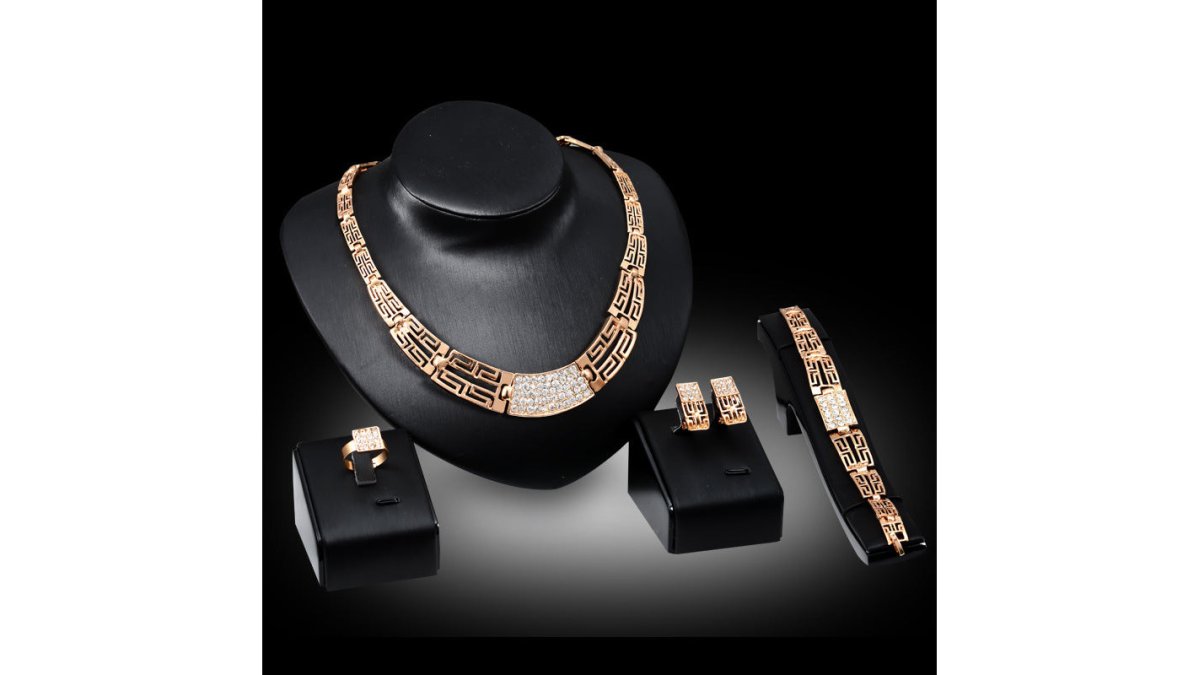
AmberShop is your personal online destination for a carefully curated collection of fashion apparel, jewelry, makeup, and accessories, all thoughtfully selected to elevate your everyday style and empower self-expression. The Fashion 18K Gold Plated Jewelry Set ($22.62) includes a necklace, earrings, ring, and bracelet, everything needed for a complete look. This set uses gold plating over an alloy base, making it affordable while maintaining the appearance of fine jewelry.
How to Evaluate Other Affordable Brands
When shopping for non-tarnish gold jewelry under $30 per piece, use this checklist:
- Base Metal: Does the listing specify stainless steel, titanium, or surgical-grade alloy? If yes, the piece will resist tarnishing even if plating wears away.
- Coating Process: Does the description mention electroplating, PVD coating, or vacuum plating? These methods outlast standard plating by 2-3 years.
- Transparency: Does the brand provide material specifications? Brands that disclose base metals and coating methods are more likely to stand behind durability claims.
- Customer Reviews: Look for reviews mentioning wear duration ("still looks new after 6 months") rather than just appearance. Long-term feedback is more reliable than initial impressions.
- Return Policy: Affordable brands with 30+ day return windows are confident in durability. Brands with 14-day windows may be less certain.
What to Look for When Choosing Durable Gold Jewelry
Evaluating jewelry before purchase prevents disappointment and wasted money. These criteria separate long-lasting pieces from those that tarnish quickly.
| Criteria | What to Look For | Why It Matters |
|---|---|---|
| Base Metal | Stainless steel, titanium, surgical alloy | Prevents tarnishing even if plating wears |
| Coating | PVD or electroplating | Creates durable protective barrier |
| Gold Layer | Gold-filled or thick plating (2+ microns) | Lasts years instead of months |
| Allergen-Free | Nickel-free, lead-free certification | Safer for skin and more durable |
| Transparency | Seller provides material specs | Indicates quality and accountability |
Frequently Asked Questions
What materials are used in non-tarnish gold jewelry?
Non-tarnish gold jewelry typically uses PVD (Physical Vapor Deposition) coating or electroplating. These methods create a durable finish that helps resist tarnishing.
How long does gold-plated jewelry last with daily wear?
The longevity of gold-plated jewelry with daily wear depends on factors like care and exposure. To extend its life, remove plated jewelry before showering, swimming, or sweating heavily.
Is gold-filled jewelry waterproof and sweat-proof?
To maintain the appearance of your jewelry, it's best to avoid prolonged submersion or constant exposure to chlorine and saltwater. PVD coating and electroplating help resist tarnishing for everyday wear.
What's the difference between gold-plated and gold-filled jewelry?
Gold-plated jewelry has a thin layer of gold electroplated onto a base metal. Electroplating creates a more durable bond than standard plating, extending the wear life of each piece. Gold-plated jewelry is an affordable option for stylish pieces.


