

Best Everyday Jewelry That Does Not Tarnish
Table of Contents
- What Makes Everyday Jewelry Tarnish-Resistant
- Is Stainless Steel Jewelry Good for Everyday Wear
- Sterling Silver vs. Rhodium-Plated Options
- Gold Vermeil vs Gold Plated Durability
- How to Clean Gold Plated Jewelry
- Top Tarnish-Resistant Jewelry for Daily Wear
- Comparison Table: Materials and Durability
- Hypoallergenic and Skin-Friendly Choices
- Frequently Asked Questions
Last Updated: September 19, 2026
What Makes Everyday Jewelry Tarnish-Resistant
Tarnish happens when metal reacts with oxygen and sulfur compounds in the air, creating a dull, discolored layer on the surface. Understanding this process is the first step to choosing jewelry that stays bright and beautiful through daily wear. The best everyday jewelry that does not tarnish relies on either inherently resistant materials or protective coatings that prevent this oxidation from occurring.
At AmberShop21, we've curated tarnish-resistant pieces designed for daily wear. The key difference comes down to material composition and protective coatings.
How Oxidation and Corrosion Affect Jewelry
Oxidation occurs when metals lose electrons when exposed to oxygen, moisture, sweat, perfumes, and body chemistry.
Sterling silver tarnishes quickly because pure silver reacts with sulfur compounds. Copper oxidizes and turns green when exposed to moisture and air. These reactions create a dark, dull appearance without permanently damaging the metal.

Stainless steel and titanium resist oxidation far more effectively because their atomic structure creates a protective oxide layer that prevents further corrosion. PVD coatings work differently, forming a thin, durable barrier between the base metal and the environment. Gold-plated and gold-filled jewelry offer tarnish resistance through a layer of gold over the base metal, though the effectiveness depends on plating thickness.
Materials That Resist Tarnish
Stainless steel ranks among the most tarnish-resistant options because chromium creates a protective layer. Titanium offers similar resistance and is hypoallergenic, making it ideal for sensitive skin.
Rhodium plating provides a bright, mirror-like finish that resists tarnish by acting as a barrier between skin and the base metal. This is why many white gold and silver pieces come rhodium-plated.
PVD (Physical Vapor Deposition) coating bonds to base metal at a molecular level, creating durable protection that lasts through months of daily wear and resists scratching better than traditional plating.
Gold-filled and gold vermeil jewelry offer moderate tarnish resistance. Gold-filled pieces contain a thicker layer of gold bonded to the base metal, while vermeil uses a thinner gold layer over sterling silver. Both resist tarnish better than uncoated sterling silver, though they require more care than stainless steel or PVD-coated options.
Is Stainless Steel Jewelry Good for Everyday Wear
Stainless steel is one of the most practical choices for jewelry you'll wear constantly. It resists tarnishing, scratching, and corrosion from sweat, water, and daily environmental exposure. Most stainless steel jewelry maintains its finish for years without special cleaning or maintenance.
Stainless steel's chromium content creates a protective oxide layer, preventing the dark patina that sterling silver develops and resisting discoloration from lotions, perfumes, and chlorine.
Stainless steel feels heavier than some metals, but for everyday wear this is an advantage, it holds its shape and resists bending better than softer metals like gold.
Stainless steel jewelry is highly affordable and handles water exposure without concern, making it ideal for active lifestyles and gym sessions.
Sterling Silver vs. Rhodium-Plated Options
Sterling silver tarnishes readily. A 925 sterling silver piece (92.5% pure silver) develops a dark patina within weeks or months of regular wear, depending on environment and skin chemistry.
Rhodium plating prevents silver from contacting air and moisture, maintaining brightness longer than unplated silver. However, rhodium plating typically wears through after 6 to 12 months of daily wear, exposing the silver beneath to tarnish.
For everyday jewelry that does not tarnish, unplated sterling silver isn't the ideal choice unless you're willing to clean it regularly. However, rhodium-plated sterling silver bridges the gap between affordability and tarnish resistance. It gives you the elegant look of silver without the constant maintenance.
The 925 Sterling Silver Fashion Ring for Women from AmberShop21 ($20.68) offers that classic silver aesthetic in a piece designed for daily stacking and solo wear. For maximum longevity against tarnish, pairing it with rhodium-plated options extends the time between cleanings significantly.
Gold Vermeil vs Gold Plated Durability
Gold vermeil and gold-plated jewelry differ substantially in thickness and durability, which matters for everyday wear.
Gold vermeil is legally defined as sterling silver with at least 2.5 microns of gold plating, providing moderate tarnish resistance and greater durability than standard gold plating.
925 Sterling Silver Fashion Ring for →
Gold-plated jewelry contains 0.5 to 1 micron of gold and wears through within 3 to 6 months of constant wear, while vermeil lasts longer due to its thicker layer.
Vermeil offers better longevity than standard plating, but neither matches the tarnish resistance of stainless steel, titanium, or PVD-coated pieces.
Durability depends on lifestyle. Gold-plated pieces deteriorate faster with water exposure, while vermeil handles moisture better but remains less durable than unplated metals.
How to Clean Gold Plated Jewelry
Even tarnish-resistant jewelry benefits from occasional cleaning. For gold-plated and gold-filled pieces, use a gentle approach to prevent plating damage.
Use warm water and a soft cloth first. For stubborn tarnish, add mild dish soap and gently scrub with a soft-bristled toothbrush. Avoid harsh chemicals and abrasive scrubbers that scratch the gold layer.
Never use ultrasonic or steam cleaners on gold-plated jewelry. Pat pieces dry immediately after cleaning to prevent water spots.
For rhodium-plated silver, use a soft cloth and warm soapy water. Professional cleaning can restore tarnish on the silver beneath, though this is rarely necessary.
Store your jewelry in a dry place, ideally in individual pouches or compartments to minimize contact with air and moisture.
Top Tarnish-Resistant Jewelry for Daily Wear
925 Sterling Silver Fashion Ring for Women
The 925 Sterling Silver Fashion Ring for Women ($20.68) delivers timeless elegance at an accessible price point. This piece is crafted in genuine sterling silver, making it perfect for stacking with other rings or wearing as a standalone statement.
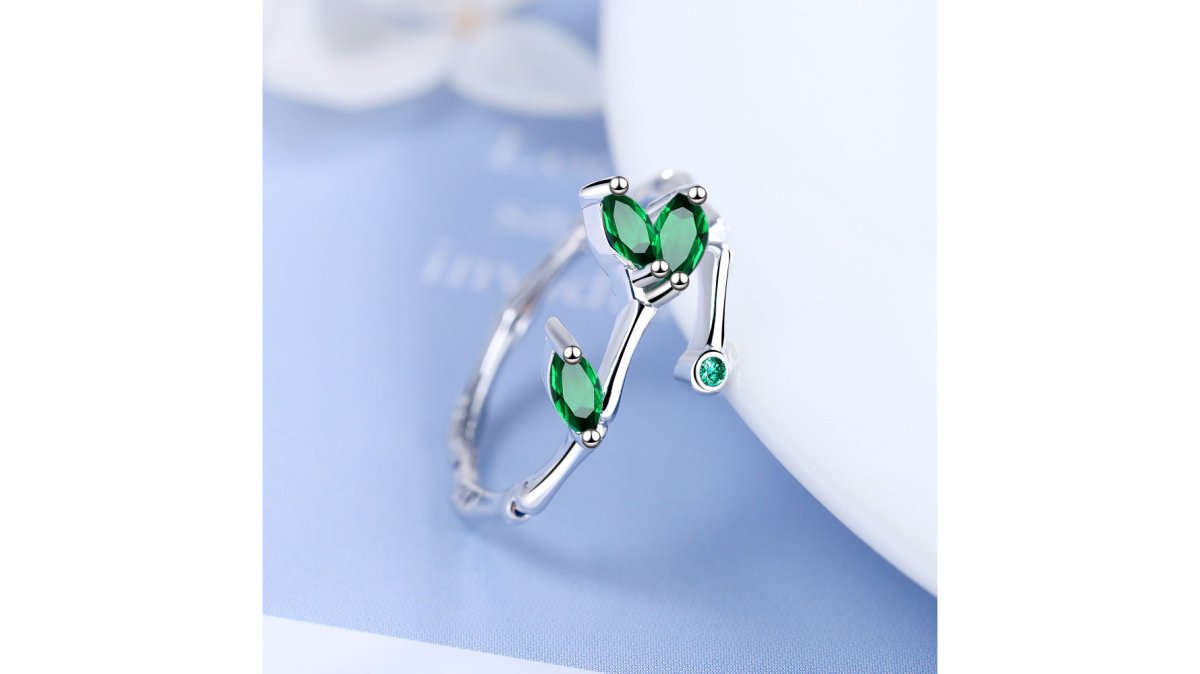
Street Style Three-Ring Interlocking Ring
The Street Style Three-Ring Interlocking Ring ($25.26) brings contemporary edge to everyday wear. Crafted in titanium steel, this piece offers the tarnish resistance you need for constant wear without sacrificing style.
Unique Men Women Dome Rings Stylish Unisex Jewelry
The Unique Men Women Dome Rings ($21.12) are built from tungsten carbide, one of the most durable and tarnish-resistant materials available. Tungsten carbide is scratch-resistant and maintains its finish through years of daily wear without fading or discoloration.
Couple Heart Bracelets - Matching Set for Him & Her
The Couple Heart Bracelets ($22.95) feature zircon-inlaid heart designs on an eco-friendly copper base with multiple finish options: Platinum, Gold, and Rose Gold. These matching bracelets are adjustable, fitting all wrist sizes comfortably.
Comparison Table: Materials and Durability
| Material | Tarnish Resistance | Durability | Best For | Price Range |
|---|---|---|---|---|
| Stainless Steel | Excellent | Very High | Active daily wear, gym, water exposure | $20-$30 |
| Titanium Steel | Excellent | Very High | Sensitive skin, everyday wear | $20-$30 |
| Tungsten Carbide | Excellent | Extreme | Scratch-resistant, durable wear | $20-$25 |
| Rhodium-Plated Silver | Very Good | High (6-12 months) | Bright silver look, moderate maintenance | $20-$40 |
| Gold Vermeil | Good | High (6-12 months) | Gold aesthetic, moderate daily wear | $25-$50 |
| Gold-Plated | Fair | Moderate (3-6 months) | Budget-conscious, lighter wear | $15-$35 |
| Unplated Sterling Silver | Fair | High | Collectors, occasional wear, regular cleaning | $25-$60 |
Hypoallergenic and Skin-Friendly Choices
For people with sensitive skin or nickel allergies, material choice becomes medical necessity, not just preference. Titanium and tungsten carbide are naturally hypoallergenic because they don't contain nickel or other common allergens. Stainless steel is hypoallergenic for most people, though some surgical-grade stainless steel contains small amounts of nickel, so checking the specific alloy matters.
Frequently Asked Questions
What materials are best for jewelry that does not tarnish?
Stainless steel, titanium steel, tungsten carbide, and 925 sterling silver with rhodium plating resist tarnish effectively. Stainless steel and titanium steel are naturally tarnish-resistant because they don't oxidize easily. Sterling silver tarnishes over time unless plated with rhodium, a protective coating that prevents oxidation. Gold vermeil and gold-plated jewelry resist tarnish when the plating thickness is adequate (18k gold plating lasts longer than thin alternatives). Avoid base metals without protective coatings if tarnish resistance is your priority.
Does sterling silver tarnish with everyday wear?
Yes, pure sterling silver tarnishes when exposed to moisture, sweat, and air. However, 925 sterling silver (92.5% pure silver) tarnishes much more slowly than lower-quality silver. To minimize tarnish, store sterling silver in dry conditions, remove it before swimming or showering, and wear it regularly, friction from daily wear can actually slow tarnish formation. Rhodium-plated sterling silver resists tarnish significantly better because the plating creates a protective barrier. If you want sterling silver without tarnish maintenance, choose pieces with rhodium plating.
How can you tell if jewelry will tarnish before buying it?
Check the material label first. Stainless steel, titanium steel, tungsten carbide, and solid gold don't tarnish. Sterling silver tarnishes unless plated with rhodium or another protective coating. Gold-plated and gold vermeil jewelry resist tarnish based on plating thickness, thicker plating lasts longer. Ask the seller about plating thickness if it's not listed. Avoid jewelry labeled as 'base metal' without a protective coating, as it oxidizes quickly. Reading product descriptions carefully reveals whether pieces are designed for everyday wear without tarnish concerns.
Is gold-plated jewelry considered tarnish-proof?
Gold-plated jewelry is tarnish-resistant but not tarnish-proof. The gold plating protects the base metal from oxidation, but the plating itself can wear away with daily wear, sweat, and moisture exposure. Thicker plating lasts longer, it offers better durability than thin plating. Gold vermeil, which uses thicker gold plating over sterling silver, resists tarnish better than standard gold-plated jewelry. To extend the life of gold-plated pieces, remove them before swimming or showering, dry them after wear, and avoid exposing them to harsh chemicals. With proper care, quality gold-plated jewelry can remain tarnish-free for months or years.
What's the difference between waterproof and tarnish-resistant jewelry?
Waterproof and tarnish-resistant are different properties. Tarnish-resistant jewelry resists oxidation and corrosion from moisture and air exposure, but it may still be damaged by prolonged water contact. Waterproof jewelry is sealed to prevent water penetration entirely. Stainless steel and titanium steel are naturally tarnish-resistant and can handle moisture better than sterling silver, but they may not be fully waterproof if they have stone settings or intricate designs. For everyday wear involving sweat and occasional water exposure, tarnish-resistant materials like stainless steel work well. If you need jewelry for swimming or water sports, confirm both waterproof construction and tarnish-resistant materials.


