

Affordable Minimalist Jewelry for Everyday Wear
Table of Contents
- Quick Comparison: Affordable Minimalist Jewelry Under $30
- Durable Everyday Jewelry Materials: What Actually Holds Up
- Best Hypoallergenic Jewelry Brands for Sensitive Skin
- How to Style Minimalist Jewelry for Work and Weekends
- Building a Capsule Jewelry Wardrobe on a Budget
- Jewelry Care, Repair, and Warranty: Making Pieces Last
- Frequently Asked Questions
Last Updated: September 21, 2026
Quick Comparison: Affordable Minimalist Jewelry Under $30
Affordable minimalist jewelry for everyday wear is jewelry priced low enough to build a rotation around, made from materials that survive daily use rather than occasional outings. At AmberShop21, we curate pieces for exactly that purpose: small, understated designs you can wear to work, to dinner, and to the gym without worrying about them.
The table below is the fastest way to see what each material actually delivers. Costs are real, not estimates.
| Piece | Material | Price | Best For |
|---|---|---|---|
| 925 Sterling Silver Fashion Ring | 925 sterling silver | $20.68 | Stacking and daily wear |
| Unique Dome Rings | Tungsten carbide | $21.12 | Scratch resistance, unisex |
| Three-ring Interlocking Ring | Titanium steel | $25.26 | Statement layering |
| Crystal Heart Pendant Necklace | Minimalist chain + crystal | $20.66 | Work-to-weekend versatility |
| Amethyst Palm Pendant Necklace | Amethyst stone | $20.74 | Adding color to a neutral outfit |
| Geometric Pearl Bracelet | Alloy + imitation pearl | $21.22 | Retro styling, gifting |
| Sunflower Rhinestone Earrings | Rhinestone | $20.60 | Everyday sparkle |
| Colorful Cuban Link Bracelet | Multi-color links | $24.35 | Casual stacking |
Most guides get this wrong. They treat "affordable" as a compromise on quality. In practice, the price gap between a piece that tarnishes in three weeks and one that lasts three years often comes down to a few dollars and one material choice.

Below, we'll show you exactly which materials hold up, which ones react badly with skin, and how to build a small wardrobe of pieces that mix and match indefinitely. The eight pieces above average under $23 each, so a complete starter set costs less than a single mid-range designer item.
Durable Everyday Jewelry Materials: What Actually Holds Up
Durability in everyday jewelry comes down to three things: the base metal, the plating thickness, and how the piece is finished. A ring worn daily takes far more abuse than a pendant that sits against fabric.
Sterling Silver, Tungsten Carbide, and Titanium Steel
Sterling silver is an alloy of 92.5% silver and 7.5% other metals, usually copper. That mix is what makes it hard enough for daily wear while staying soft enough to resize and reshape. It does tarnish over time, but it polishes back to new with a cloth. The Jewelers of America guide to precious metal quality explains how the 925 stamp works.
Tungsten carbide is a compound of tungsten and carbon. It scores near diamond on hardness, which means it resists scratches almost completely. The tradeoff: it cannot be resized, and it is heavy compared to silver. For a dome ring worn every day, that hardness is the whole point.
Titanium steel sits between the two. It is lighter than tungsten, more corrosion-resistant than standard stainless, and it holds its shape well. The Three-ring Interlocking Ring uses titanium steel for exactly this reason: three connected bands need a material that will not bend out of alignment.

What most guides miss is that the base metal matters less than the finish. A well-finished alloy piece can outlast a poorly finished silver one.
Skin Chemistry and Metal Reactions
Skin chemistry is the reason two people can wear the same earrings and only one of them breaks out. Sweat is slightly acidic, and that acidity varies from person to person. It reacts with the metals in a piece, and the reaction produces the green or black mark some people see after a day of wear.
Nickel is the most common trigger. It appears in many alloys because it is cheap and hard, and it is the leading cause of contact dermatitis from jewelry. If your ears itch or crust over after wearing a pair of earrings, nickel is the usual suspect.
The fix is not complicated. Look for nickel-free or hypoallergenic labels, and favor sterling silver, titanium steel, or tungsten carbide over unknown alloys. Rhodium plating over a base metal also creates a barrier between your skin and the nickel underneath, though that barrier wears down over time.
One honest limitation: even "hypoallergenic" is not a regulated term in the United States. It is a marketing claim, not a guarantee. The only reliable test is wearing a piece for a few hours before committing to all-day use.
925 Sterling Silver Fashion Ring for →
Best Hypoallergenic Jewelry Brands for Sensitive Skin
The best hypoallergenic jewelry for sensitive skin is jewelry made from sterling silver, titanium steel, or tungsten carbide, or plated with a barrier metal like rhodium. These materials either contain no nickel or lock it behind a layer your skin never touches.

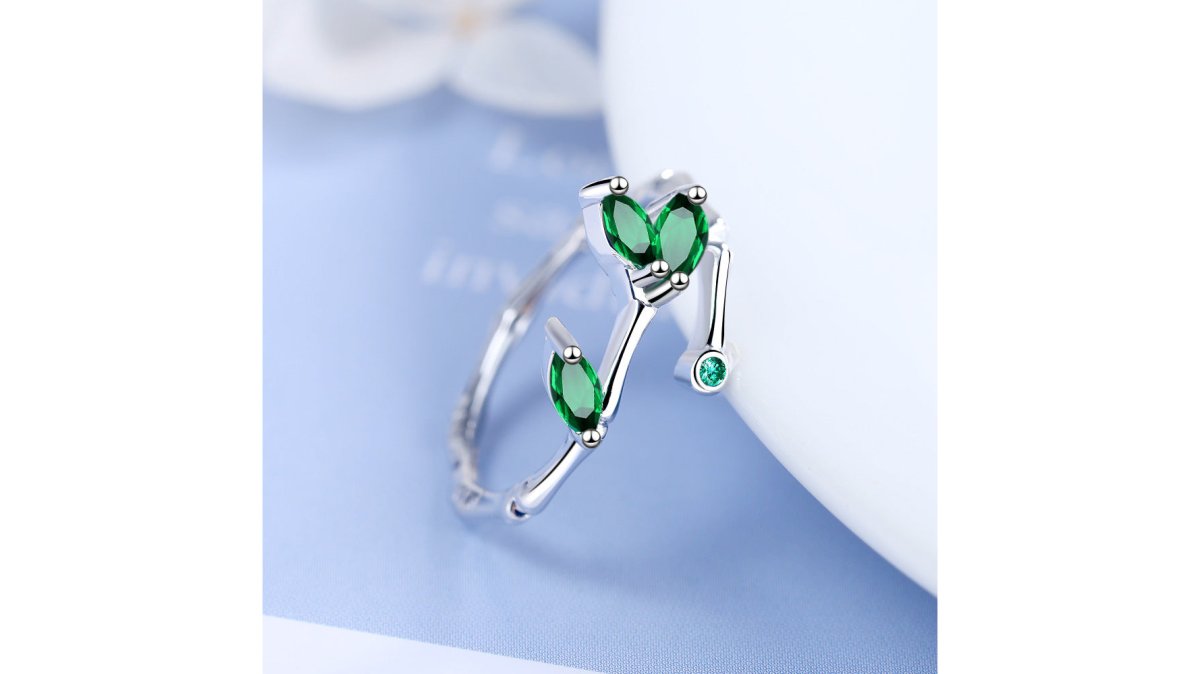
AmberShop21 stocks pieces across all three material categories, which matters if you react to one metal but not another.
- Read the material line, not the marketing line. "Hypoallergenic" on a product page means nothing on its own. "925 sterling silver" or "tungsten carbide" means something specific.
- Start with one piece, not a set. Wear a single ring or pair of earrings for a full day before buying more in the same material.
- Avoid unknown "fashion jewelry" alloys for pierced ears. The Geometric Pearl Bracelet uses an alloy base, which is fine for a wrist but riskier for a piercing.
- Clean new pieces before first wear. Manufacturing residue can irritate skin even when the metal itself is fine.
- Watch for plating wear. Once rhodium or gold plating chips, the base metal underneath is exposed. That is when reactions start.
How to Style Minimalist Jewelry for Work and Weekends
Styling minimalist jewelry is about restraint and repetition, not variety. A small set of pieces worn consistently reads as intentional. A large set worn randomly reads as cluttered.
Layering Necklaces and Stacking Rings
Layering works when the pieces differ in length and weight. Two chains of the same length will tangle. Two rings of the same width will look like one thick band.
Building a Capsule Jewelry Wardrobe on a Budget
A capsule jewelry wardrobe is a small set of pieces chosen so that every item works with every other item. The goal is fewer decisions in the morning and more outfits from less jewelry.
Build it in this order:
- One neutral chain necklace. Silver or gold, no pendant, or a small pendant you can remove.
- One pendant necklace. This is where color or personality enters.
- Two rings in different widths. One thin, one substantial.
- One pair of small earrings. Studs or small hoops, nothing that competes with the neckline.
- One bracelet. Optional, but it balances a bare wrist.
Jewelry Care, Repair, and Warranty: Making Pieces Last
Jewelry care is mostly about removing pieces before the activities that damage them. The pieces themselves need very little maintenance beyond that.
The daily habits that matter:
- Take rings off before showering, swimming, or washing dishes
- Put jewelry on last when getting dressed, after lotion and perfume have dried
- Wipe pieces with a soft cloth after wearing to remove skin oils
- Store pieces separately so they do not scratch each other
- Check clasps and settings monthly for looseness
Frequently Asked Questions
What are some inexpensive minimalist jewelry options under $30?
You can find solid 925 sterling silver rings, tungsten carbide dome rings, titanium steel interlocking rings, and crystal pendant necklaces all priced between $20 and $26. These pieces use metals that resist tarnishing and scratching, so they hold up to daily wear without the luxury price tag. A sterling silver stacking ring at $20.68 or a crystal heart pendant at $20.66 gives you a timeless look for less than a takeout dinner.
What is the best jewelry to wear every day?
The best everyday jewelry balances durability, comfort, and versatility. Look for pieces made from sterling silver, tungsten carbide, or titanium steel because they resist tarnishing and scratching. Choose lightweight designs like thin stacking rings, delicate chain necklaces, and small stud earrings that stay comfortable for 10+ hours. A capsule of 5-7 mix-and-match pieces covers work, weekends, and evenings without decision fatigue.
How do I build a minimalist jewelry collection on a budget?
Start with three core pieces: one necklace, one pair of earrings, and one ring. Add one new piece per month instead of buying sets all at once. Focus on metals that work together, like silver and gold tones, so everything layers. At $20-$25 per piece, a seven-piece capsule costs under $160 total. Track cost-per-wear: a $21 ring worn 200 times per year costs about 10 cents per wear.
What is the difference between gold-plated and gold-filled jewelry for daily wear?
Gold-plated jewelry has a thin layer of gold over base metal that wears away within months of daily wear. Gold-filled jewelry bonds a thicker layer of gold to a brass core, so it lasts years before showing the base metal. For everyday wear on a budget, sterling silver, tungsten carbide, and titanium steel offer better long-term durability than thin gold plating because they are solid metals, not coated.
Are there affordable brands that offer hypoallergenic minimalist jewelry?
Yes. Look for pieces labeled nickel-free and made from sterling silver, titanium steel, or tungsten carbide. These metals rarely trigger reactions because they contain no nickel or lead. A 925 sterling silver ring, a titanium steel interlocking ring, and a tungsten carbide dome ring all fit this category at $20-$26. If you have sensitive skin, avoid unknown alloys and plated base metals that can flake and expose irritants.


